

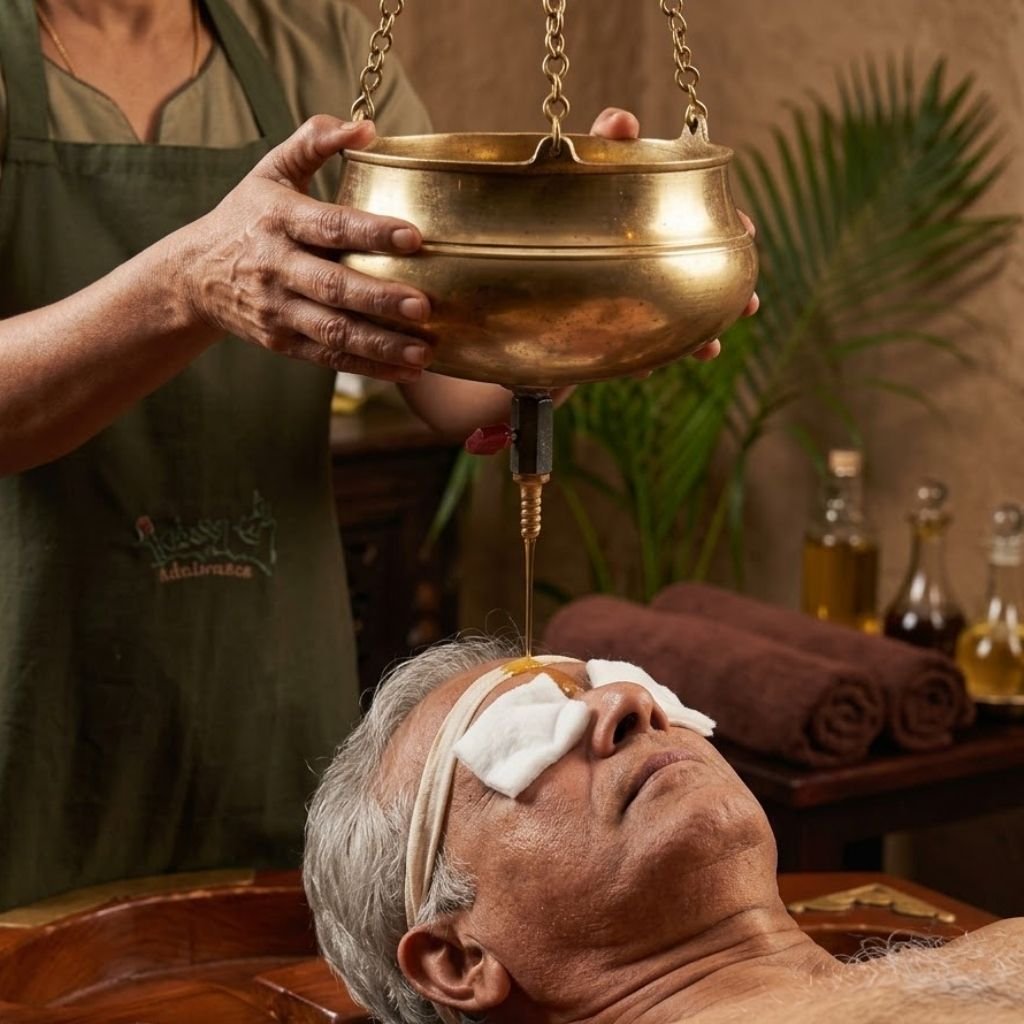
Background
A 75-year-old male guest from Kerala, living with Parkinson’s disease since his diagnosis in 2017, came to Indimasi after nine years of gradually progressing symptoms tremor, balance problems, gait difficulty, and muscle rigidity. In the three months before his visit, he had also developed significant digestive trouble: constipation, gas, and acidity, compounding the neurological symptoms and further limiting his quality of life. He came hoping to improve his independence, reduce tremor and balance issues, and restore normal digestion.
The Challenge
Parkinson’s disease involves progressive degeneration of the dopamine-producing nerve cells responsible for smooth, coordinated movement which is what produces the tremor, rigidity, slowed movement, and balance problems that define the condition. In this case, the tremor affected fine motor control and day-to-day confidence, the balance problems created real fall risk and a fear of movement, and walking had become something that took conscious effort rather than happening automatically.
The digestive symptoms weren’t a separate problem. Parkinson’s affects the nervous system broadly, including the gut, and sluggish digestion, gas, and constipation were compounding the overall burden on his system poor digestion worsening neurological symptoms, and neurological decline further disrupting digestion.
The Ayurvedic and Siddha Perspective
We read this combination as Vata imbalance the Ayurvedic or Siddha principle governing movement, nervous system function, and digestion layered with Ama, accumulated toxic residue from the digestive dysfunction. That framing shaped the whole program: rather than treating tremor and digestion as two unrelated issues, we treated them as two expressions of the same underlying imbalance.
The Integrated Treatment Approach
The program combined five elements, run together rather than in sequence: Panchakarma therapies for clearing accumulated toxins and nervous system nourishment; an anti-inflammatory Ayurvedic diet supporting digestion and nutrition; daily yoga for physical strength, balance, and nervous system regulation; pranayama specifically to work on tremor and anxiety through breath; and Kalari for circulation, focus, and mind-body integration. We also catered to the emotional weight of nine years of progressive illness the fear of falling, the anxiety about increasing dependence as part of the treatment itself, not an afterthought to it.
These elements formed part of our Personalized Ayurveda approach, with the program adapted to his neurological symptoms, digestive concerns, physical capacity, and overall needs. The treatment was delivered through intensive Ayurvedic Panchakarma Programs designed around his individual condition.
First Program: 27-Day Intensive Panchakarma
Days 1–3
Treatment opened with a focus on digestion, since clearing that was foundational to everything else. Dhanyamla Dhara a continuous pour of warm fermented medicinal liquid over the body mobilized toxins and began regulating Vata. Pichu, warm medicated-oil-soaked cotton applications, nourished the nervous system directly while calming the excess nervous system activity behind the tremor. Medicated herbal steam supported circulation and detoxification. Internally, treatment focused on rebuilding digestive fire and restoring regular bowel movement.
Days 4–7
As digestion improved, Thalam medicated herbal paste application was introduced for topical nervous system support and to ease rigidity. Alongside this, he followed a personalized anti-inflammatory diet: easy-to-digest, warm, cooked foods, anti-inflammatory herbs and spices, healthy fats to support nerve function, and avoidance of foods that trigger inflammation, gas, or constipation. As his digestion continued improving through the therapies, the diet kept that progress from being undone by his food. Around this point, as he began noticing real change better digestion, reduced tremor his outlook improved alongside the physical symptoms, which we consider as much a part of recovery as the physical markers.
Days 8–13
Focus shifted to more intensive nervous system work. Abhyangam, therapeutic oil massage with precise techniques for deep nervous system nourishment, became central. Three additional therapies were introduced: Nasyam (medicated nasal oil, reaching the brain via nervous system pathways, targeting tremor and cognitive function), Kabalam (medicated gargle, supporting the nerve pathways involved in swallowing and speech), and Dhoomapanam (medicated herbal smoke inhalation, supporting respiratory and nervous system function).
Days 14–23
Dhanyamla Dhara returned, working more deeply now that his system had been prepared through the earlier phases. Daily yoga, pranayama, and meditation deepened alongside it yoga building mobility, balance, and confidence, pranayama working directly on tremor regulation and cognitive focus.
Days 24–27
A gentle transition combining Dhanyamla Dhara, Thalam, and the ongoing neurological support protocol closed out the program.
Daily yoga, pranayama, and meditation ran throughout, alongside Kalari practice.
Guruji’s Intervention
Guruji provided positive, confidence-building counselling to him. He had long been convinced by both conventional and traditional medical systems that his condition was incurable. Through the “Mind as Medicine” approach and guided breathing techniques, Guruji helped him overcome this deeply rooted belief, instilling confidence and reinforcing the idea that it is possible to move beyond the limitations of the disease.
Results After the First Program
By discharge: tremor was noticeably reduced, balance and gait had improved with greater walking confidence, muscle rigidity had eased, cognitive clarity and focus had improved, and sleep and energy were both better. On the digestive side, constipation had resolved into regular bowel movements, gas and acidity were substantially reduced, and appetite had returned to normal.
Between Programs
Over the following two months at home, he maintained his gains by continuing daily yoga, advice from Guruji, pranayama, and dietary changes. His treating physician, seeing the sustained progress, recommended a second program to build further on the balance and gait improvements specifically.
Second Program: 14-Day Focused Refinement
Days 1–4
Therapy focused on lower body circulation and nerve function Abhyangam combined with Dhanyamla Dhara and Avagaha Swedam, a leg-immersion therapy in warm medicated liquid, targeting the nerve pathways affecting his gait and lower-limb sensation.
Days 5–7
Ksheera Kashaya Dhara, a warm medicated milk decoction pour, was used specifically for nerve tissue support this therapy is traditionally indicated for nerve-related conditions like Parkinson’s.
Days 8–11
Shastika Pinda Swedam warm poultices of medicinal rice cooked in herbal decoctions provided deeper nervous system support. Lavana Swedam, a salt-based warm therapy, improved circulation further, alongside continued Dhoomapanam and Kashaya Dhara.
Days 12–13
Pizhichil full-body warm medicated oil immersion, considered one of the more intensive Panchakarma therapies for nervous system conditions gave the deepest level of Vata regulation in either program.
Day 14
A closing combination of medicated decoction pouring and Pichu completed the program.
Daily yoga, pranayama, sessions with Guruji, and Kalari practice continued throughout both programs.
Results After the Second Program
By final discharge, tremor and balance were both reported as substantially improved from baseline clinically estimated at roughly a two-thirds reduction in severity. He was walking independently, including navigating stairs without assistance, with noticeably freer movement and reduced rigidity. Digestive symptoms gas, acidity, and constipation remained resolved, appetite was stable, cognitive clarity continued improving, and sleep and energy stayed good throughout the day. He reported full independence in daily activities.
We want to be precise about what this represents: Parkinson’s disease is progressive and, in conventional and Ayurvedic medicine alike, has no known cure. This account describes one patient’s functional improvement in tremor, balance, gait, and digestion across two supervised Panchakarma programs and the months between them, not a reversal of the underlying disease. He continued (or should continue) under his neurologist’s ongoing care throughout.
Why We Think This Worked
No single element of this program is likely to have produced this result alone. Panchakarma without the dietary changes would have been limited by poor digestion; the diet alone could not have cleared the toxic accumulation that Panchakarma addressed directly; yoga without pranayama would not have specifically targeted the tremor; and the physical therapies alone would not have addressed the anxiety and fear of falling that had developed over nine years of progressive illness. Running all five elements together and having him maintain yoga, pranayama, and the prescribed diet at home between the two programs is what we believe made the difference, as improvements in his physical symptoms were accompanied by greater confidence and reduced anxiety, which in turn appeared to support further physical recovery.
The foundation was the focused and determined mindset he cultivated throughout the healing process. We believe that none of these interventions would have achieved the same outcome without his commitment and mental resilience. Through Guruji’s counselling sessions, based on the “Mind as Medicine” approach, he developed the confidence to move beyond the long-held belief that his condition was incurable. He also practiced the breathing techniques taught by Guruji consistently and without fail, reinforcing this positive mindset and complementing the physical aspects of the treatment program.
What This Means for You
This case suggests that even in a progressive neurological condition, addressing motor symptoms alongside digestive health, nervous system support, and the emotional burden of the illness rather than treating tremor or balance in isolation can support meaningful functional improvement. It’s also a reminder that gains built during an intensive program depend on what happens after discharge: this patient’s continued meditation taught by Guruji, yoga, and pranayama practice at home was part of why the second program had as much to build on as it did. As with any individual case, results vary from patient to patient.
For those exploring a best ayurvedic treatment centre in Kerala, this case also highlights the importance of looking beyond a single symptom and considering a coordinated approach that addresses the individual’s physical, digestive, mental, and lifestyle needs.
Medical Disclaimer
This account reflects one patient’s individual experience and response to two supervised Panchakarma programs at Indimasi Healing Village and should not be read as a guarantee of similar results for any other individual.
Curious whether an integrated program could support your own health goals?
CTA: Enquire with our medical team →